DESIGN-BUILD
One Team From Early Planning Through Construction
Design-build brings planning, design, and construction together under one coordinated approach. Decisions about scope, cost, schedule, and constructability happen earlier, with fewer handoffs for the owner to manage.
REPEAT CLIENTS
DESIGN-BUILD /
NEGOTIATED / CMAR
YEARS IN BUSINESS
TRUSTED BY:






What is Design-Build?
In a traditional delivery process, the owner manages separate relationships between design and construction. Design decisions can advance before current pricing, procurement, or field input reaches the table, leaving the owner to resolve gaps later.
Design-build creates a more integrated path. Kent coordinates the designers, engineers, specialists, trade partners, estimating, scheduling, and construction team around the same owner goals from the beginning.
This approach may fit when:
- Speed to market is important.
- The project requires early cost and schedule clarity.
- You want fewer handoffs and a single coordinated team.
- The facility must support specific operational workflows, equipment, or growth plans.
- You value collaborative problem-solving throughout design and construction.
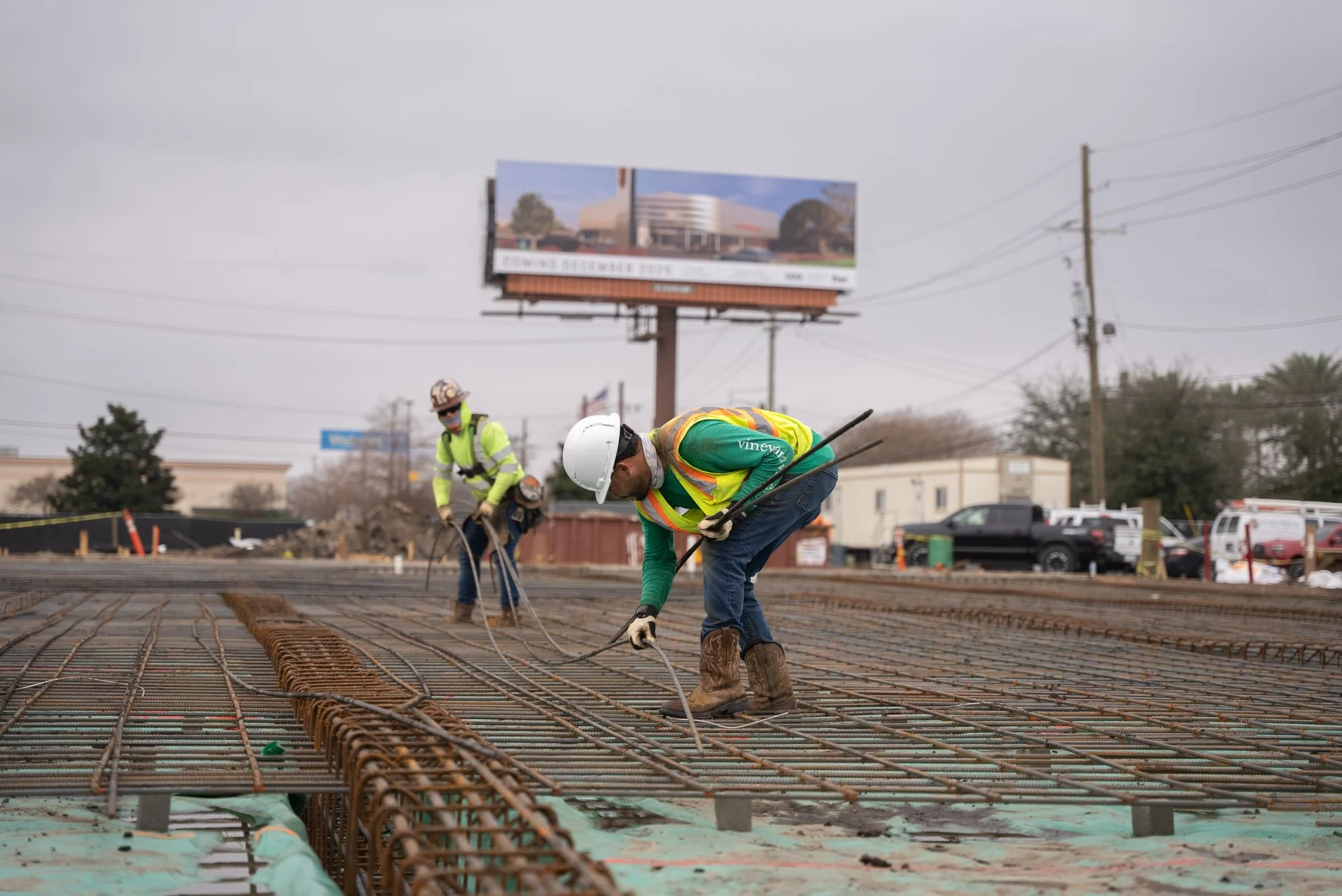
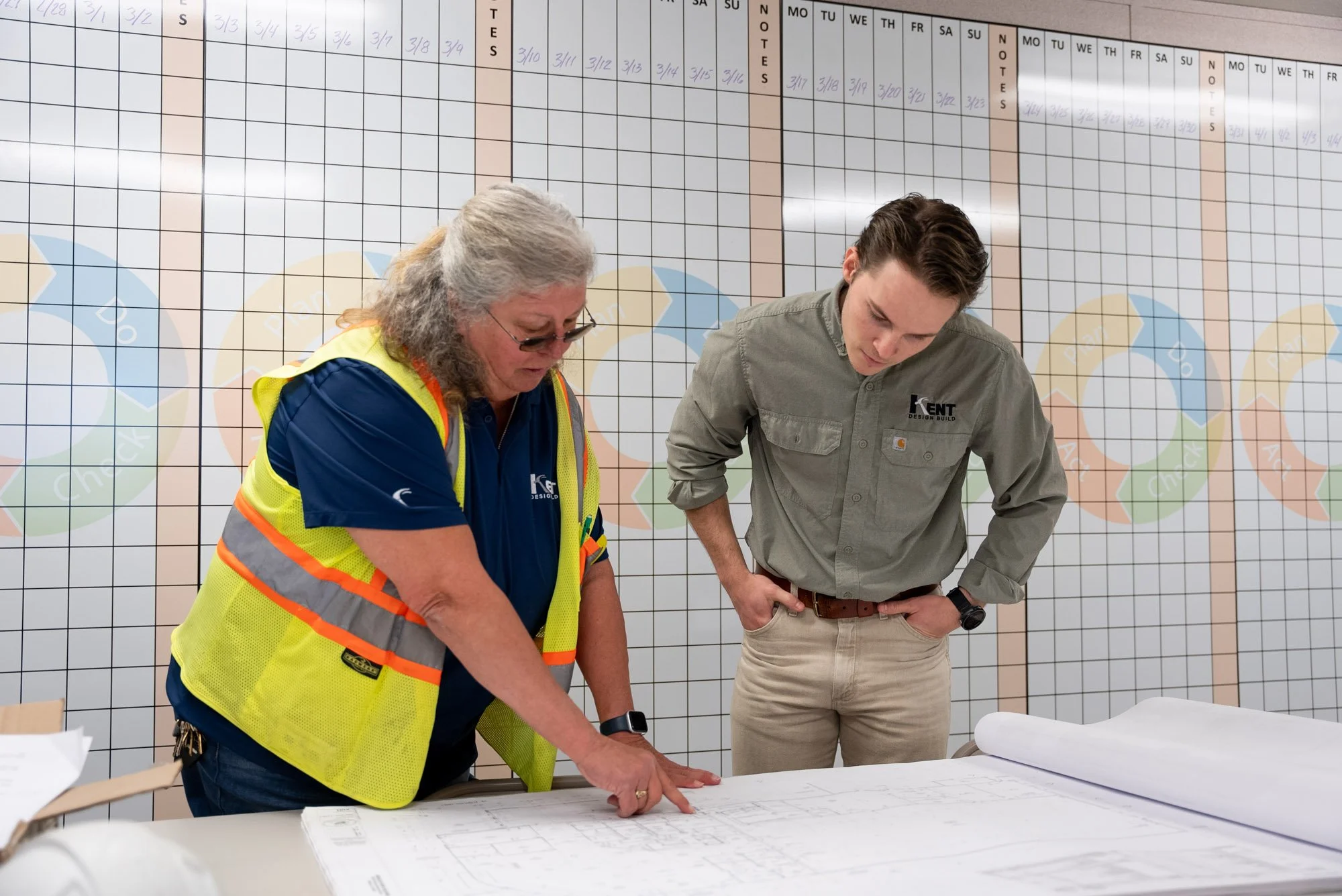
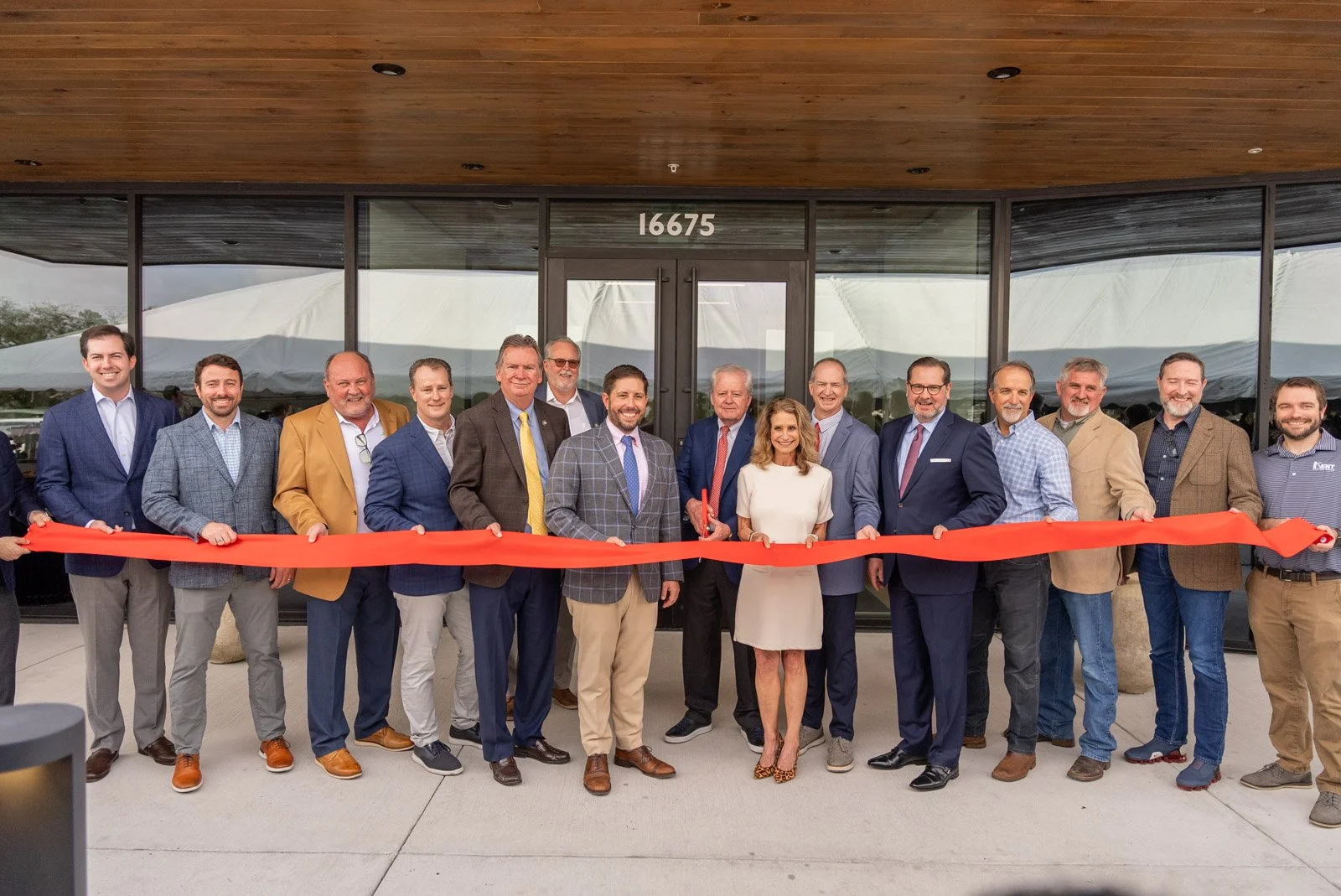
Owner Benefits with Design-Build
Fewer handoffs for the owner
A coordinated team reduces the number of separate relationships the owner has to manage and keeps responsibility clearer from planning through construction.
Cost and schedule inform design
Estimating, procurement, and scheduling happen alongside design so the team can make tradeoffs with current information.
Faster decisions
Design questions can be evaluated with construction input at the same table, reducing the time lost moving information between separate teams.
A facility shaped around operations
Kent starts with what the building has to accomplish, then evaluates design choices for workflow, equipment, maintenance, growth, cost, and constructability.
How Kent
solves it.
Our design-build process aligns planning, design, cost, schedule, and construction under one accountable team.
Connect
We define the business need, users, operational requirements, budget, schedule, and decision structure before design gains momentum.
Create
Design and construction teams work together to test options, develop estimates, coordinate systems, and make informed tradeoffs.
Commit
Scope, budget, schedule, procurement strategy, and key owner decisions are aligned before major commitments are made.
Construct
The team that developed the solution remains connected through construction, turnover, and post-construction support.
PROJECT SPOTLIGHT
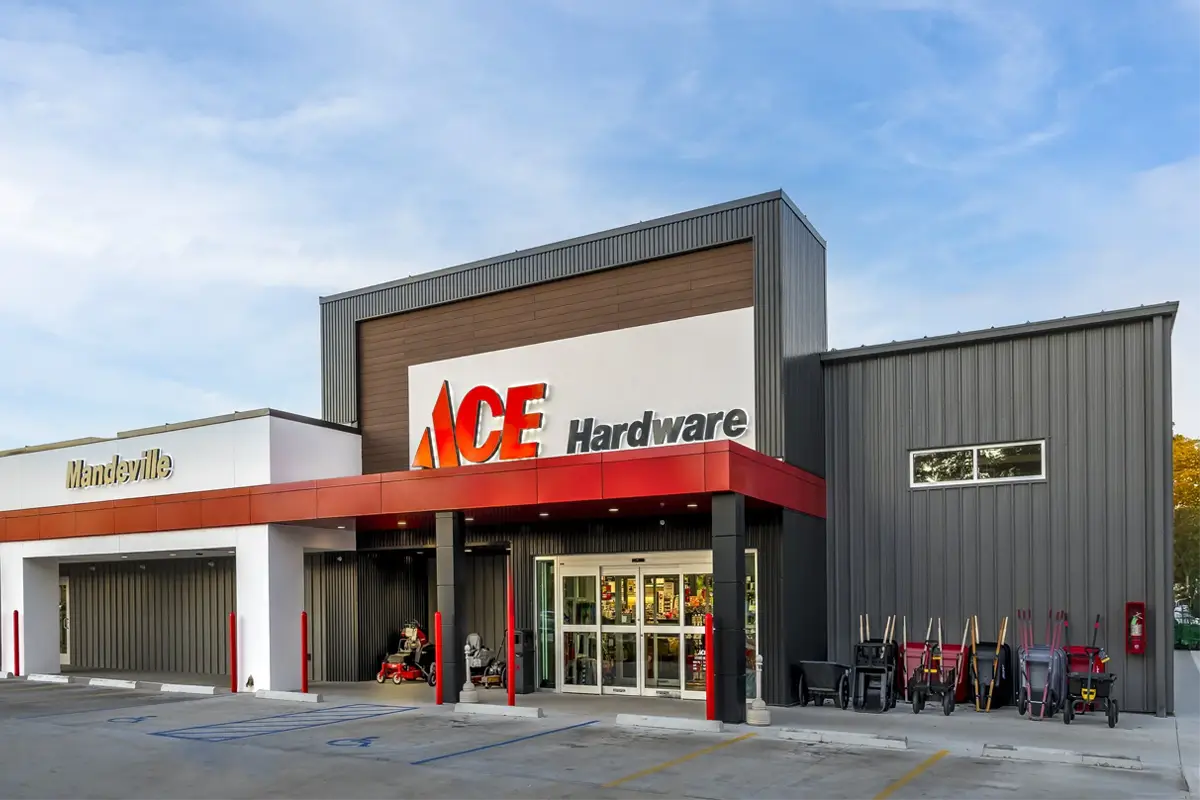
Scott Equipment
- 18,000 Sq Ft
- Office & Warehouse
- Two Overhead Cranes
- Mandeville, LA
Challenge
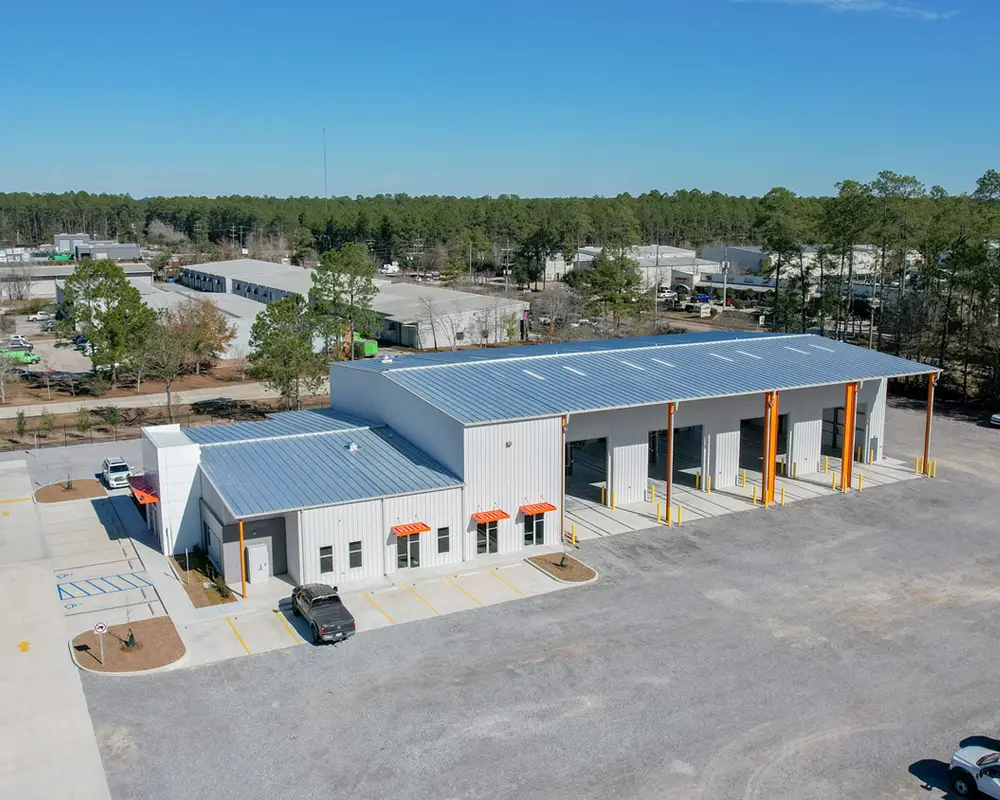
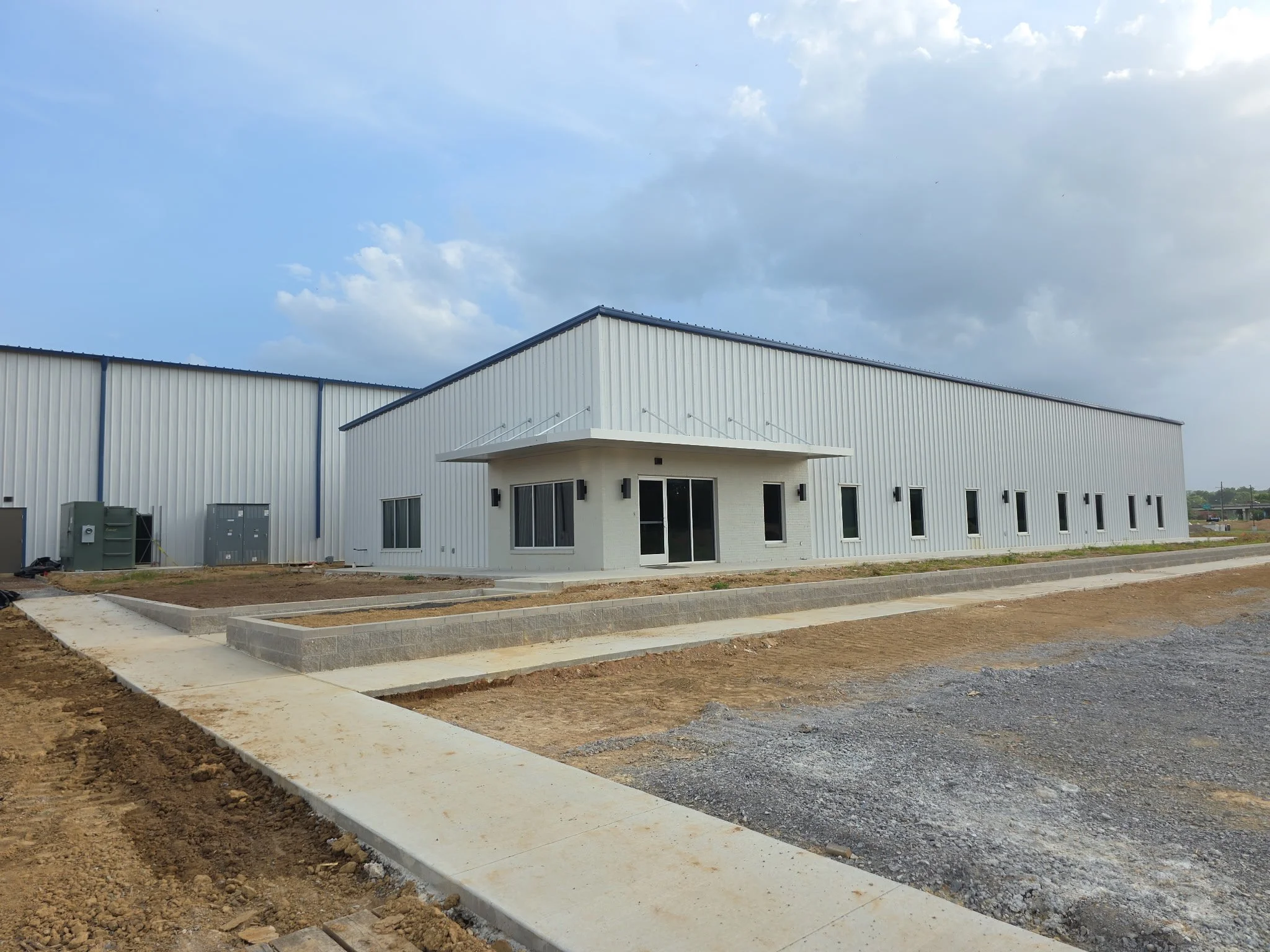
Scott Equipment needed a new facility that combined office space, warehouse functions, heavy equipment support, and two overhead cranes. The building systems and crane requirements had to be coordinated as one operational solution.
Kent's Approach
Kent used a design-build approach to align the Butler building system, Konecrane requirements, office layout, warehouse flow, and construction sequencing. Early coordination reduced conflicts between structure, equipment, and operations.
Results
The completed facility brought office and industrial functions together in a purpose-built environment designed around Scott Equipment's work.
FREQUENTLY ASKED QUESTIONS
Does design-build mean the owner gives up design control?
No. The owner still sets priorities, reviews options, and makes key decisions. The difference is that design and construction input are coordinated earlier instead of developing in separate tracks.
How does design-build affect the schedule?
It can allow design, procurement, permitting, and construction planning to overlap more than in a strictly sequential process. The actual schedule depends on the project, approvals, site conditions, and procurement requirements.
When is the project budget established?
Budgeting begins early and is updated as design develops. The final contractual structure and price are established when the scope reaches the level required by the agreement.
Can design-build work for renovations and new construction?
Yes. The approach can be especially useful when renovations involve existing conditions, active operations, phasing, or technical systems that benefit from early construction input.
DESIGN-BUILD PROJECTS
Work that speaks for itself.
Kent connects design decisions to cost, schedule, constructability, and the long-term needs of the facility.